Summary
✨ AI‑Generated
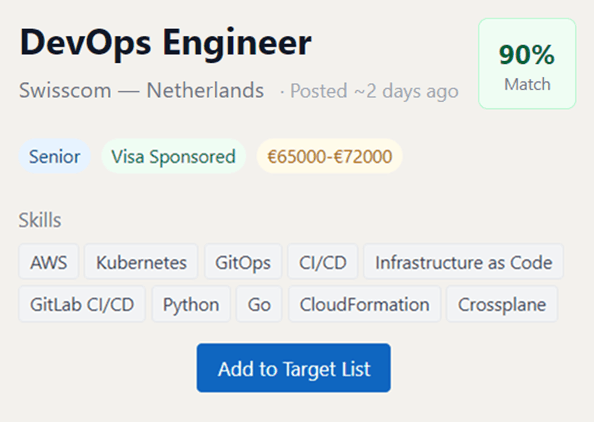
A technology services organization is hiring a DevOps Engineer to design, build, and operate automated delivery platforms across cloud, SaaS, and on-premises environments. You will implement CI/CD pipelines, manage environments, automate infrastructure tasks, and improve production reliability in collaboration with development, QA, and client-facing teams. Candidates should have one to two years of DevOps or CI/CD experience and practical knowledge of scripting, Linux, version control, and relational databases.
Highlights
Build and operate automated platforms supporting reliable, secure, and scalable software delivery across cloud and on-premises environments. Gain practical experience with multiple CI/CD technologies, scripting languages, infrastructure automation, and production reliability practices.
Description
As a DevOps Engineer, you will be responsible for designing, building, and operating automated platforms that enable reliable, secure, and scalable delivery of the MX platform across SaaS, cloud, and on-premise environments.
You will play a key role in CI/CD implementation, infrastructure automation, environment management, and production reliability, working closely with development, QA, and client-facing teams.
Experience
1-2 years of experience in DevOps, CI/CDHands-on experience in production or client-facing environments preferredTechnical Skills
CI/CD tools: Jenkins, GitLab CI, Azure DevOpsVersion control systems: Git (advanced usage)Proficiency in template engines, specifically FreeMarker (FTL)Scripting: Shell, Python, GroovyOperating systems: Linux/UnixCloud platforms: AWS (preferred), Azure/GCP is a plusDatabases: RDBMS (Oracle, PostgreSQL, or similar)DevOps & Platform Expertise
Experience building and operating CI/CD pipelines in complex environmentsKnowledge of monitoring and observability toolsExposure to SaaS / distributed architecturesSoft Skills
Strong analytical and troubleshooting skillsAbility to work under pressure in production environmentsClear communication with both technical and non-technical stakeholdersTeam-oriented with strong collaboration mindsetProactive and continuous improvement mindset
Key Responsibilities
1.
CI/CD & Release Engineering
Design, implement, and maintain CI/CD pipelines to support continuous integration, testing, and deployment across multiple environmentsEnsure pipeline stability, performance, and reliability, minimizing build failures and delaysImplement automated build, packaging, and deployment processesEnforce version control best practices (branching strategies, tagging, artifact management)Support release cycles, including validation, smoke testing, and rollback strategies2.
Automation
Plan & Code Templates stored in Git repositories alongside application code, allowing template updates to be version-controlled, code-reviewed, and trackedAutomate environment provisioning, configuration, and upgradesBuild reusable automation components to improve scalability and consistencyReduce manual operations through process automation and scripting3.
Environment & Platform Management
Deploy and manage MX environments across development, testing, and production stagesHandle environment lifecycle:ProvisioningConfigurationUpgrades & patchingDecommissioningEnsure environments are standardized, reproducible, and compliantSupport multi-client and multi-environment setups in SaaS or hybrid models5.
Monitoring, Observability & Reliability (SRE mindset)
Implement and maintain:MonitoringLoggingAlertingEnsure end-to-end observability of platforms and pipelinesPerform root cause analysis (RCA) on incidentsContribute to improving system reliability, SLAs, and operational KPIs7.
Data & Environment Operations
Manage environment data lifecycle:Data provisioningData masking for non-prod environmentsData sampling and reductionSupport database operations:MigrationSanitizationReconciliationEnsure compliance with security and data governance requirements8.
Incident & Support Management
Act as a technical escalation point for environment and platform incidentsTroubleshoot complex issues across infrastructure, pipelines, and environmentsCoordinate with support and product teams for resolutionEnsure proper documentation and knowledge sharing9.
Collaboration & Delivery Enablement
Collaborate with:Development teams (integration into CI/CD pipelines)QA teams (test automation and environment consistency)Product teams (release readiness and constraints)Client teams (technical coordination and delivery)Contribute to smooth delivery across project lifecycle10.
Continuous Improvement & Best Practices
Promote DevOps principles:Automation-firstContinuous integration & deliveryShift-left testingIdentify inefficiencies and propose improvementsContribute to:Internal toolingDocumentationStandardization effortsShare knowledge and support onboarding of new team members